
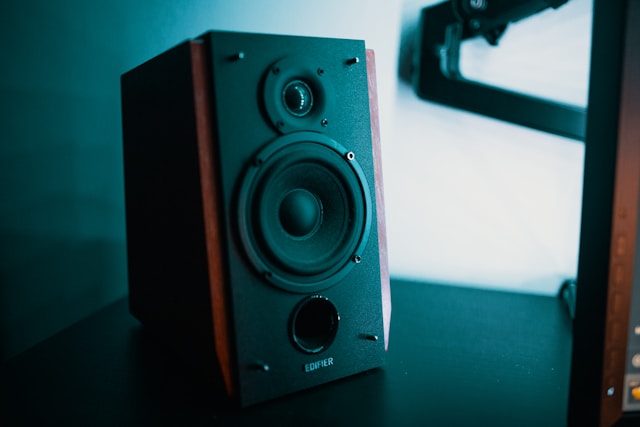
Unlocking the World of Sound: How Technology Enhances Audio Experiences
Audio technology has undergone a seismic shift from the vinyl records and cassettes of yesteryears to today’s digitized landscapes, characterizing our interactions with sound and transforming them into immersive sensory experiences. Audio quality and ease of access have become pivotal in settings ranging from private listening to professional environments, ensuring that every spoken word is conveyed unerringly. The following examination focuses on the various ways technology is still transforming our auditory experiences to satisfy a culture that values sound quality and accessibility.
The Foundations of Digital Sound
The shift from analog to digital sound marks a revolutionary advancement, allowing audio to faithfully capture each detail of the initial recording. The digitization process involves converting sound waves into binary data and maintaining sound integrity across different playback devices. This evolution has spurred manufacturers to develop gadgets and software, greatly enriching our listening experiences. This transformation also applies to a conference room setup Stamford CT, integrating digital sound technology for enhanced audio quality.
The Role of Innovative Audio Formats
A repertoire of groundbreaking audio formats lies at the heart of how we engage with digital sound today. The compact nature of MP3, albeit with some loss in quality due to compression, has made music highly portable. Meanwhile, lossless formats such as FLAC maintain the original sound without any loss, offering audiophiles the quality they crave. WAV files, typically more significant due to their uncompressed nature, continue to serve professional and production needs where every sonic detail makes a significant difference.
From Compression to Clarity
The brilliance of audio formats is their ability to use intricate algorithms to compress sound data without diminishing the Audio’s essence. Customers have learned to navigate the delicate balance between file size and quality, which is frequently determined by the device they’re using and their preferences. The decision between opting for the swift download of an MP3 file versus the rich sounds of a FLAC file can depend on factors such as storage capacity and playback fidelity, illustrating the impact of format on experience.
Streaming Services and User Accessibility
Streaming platforms have revolutionized music consumption by unlocking a near-infinite vault of songs and albums with a few clicks or taps. These services, catering to diverse tastes and preferences, have altered how music is distributed and monetized and encouraged the discovery and exploration of genres that listeners may have yet to encounter. With curated playlists and algorithmic recommendations, these services are tailored to create a personal listening environment that resonates with individual users.
Wireless Technology and Portable Audio
The advent of wireless audio devices has catered to our innate desire for mobility without sacrificing sound quality. Bluetooth technology, in particular, has been a revolution in this domain, establishing itself as the cornerstone for myriad devices, including portable speakers and headphones. The gradual advancements in battery life, range, and audio compression have further streamlined the listening experience, enabling crystal-clear sound to accompany the listener in virtually any setting, untethered from physical constraints.
The Freedom of Movement
This liberation from wires and cables has necessitated innovation in areas like sound isolation and ambient noise control, ensuring that our audio environments remain uninterrupted by the outside world. Whether it’s a bustling street or a quiet room, wireless technology allows us to maintain a consistent and high-quality sound environment, personalizing public spaces with our choice of Audio.
Immersive Experiences with 3D Audio
Three-dimensional audio technologies have pushed the envelope, offering an auditory illusion of directional sound surrounding the listener. This sophisticated form of audio processing enriches film storytelling. It enhances realism in video games, creating a sound field that envelops the audience and transports them to the heart of the action. Audio innovators continue to explore spatial sound, pushing for more authentic and lifelike recreations of live sound environments.
The Impact of Sound Quality on User Experience
Research shows that sound quality profoundly influences how users interpret and respond to audio content. Findings, such as those from the National Center for Biotechnology Information, confirm that the fidelity of sound can evoke emotions, shape perceptions, and even affect behavioral intentions. In professional environments, for instance, high clarity in Audio is essential for effective communication and can improve productivity by minimizing misunderstandings and repetition of information.
Future Trends in Audio Technology
The audio industry is bracing for a paradigm shift, with cutting-edge developments driven by the need for personalization and interactivity. The dawn of artificial intelligence in audio systems holds the promise of intelligent soundscapes that adapt in real time to listener preferences and environmental factors. Far from being passive consumers of sound, the users of tomorrow might influence the acoustic space around them, as intimated by the latest reports on BBC Technology News.
Sound and Interactivity
Interactive audio experiences, where the sound environment responds to user inputs, are on the horizon. Technologies such as voice recognition and sound beaming are likely to become commonplace, offering listeners a seamless way to intersect with their audio worlds. As these innovations take hold, our experiences with sound are poised to become more immersive, nuanced, and personalized than ever before.


