
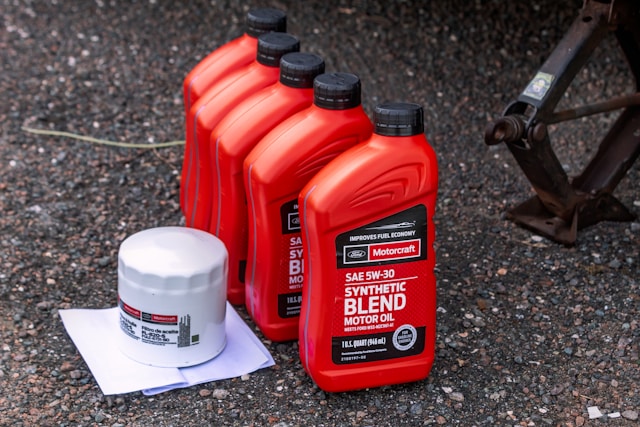
How Regular Oil Changes Extend the Life of Your Vehicle
Key Takeaways
- Regular oil changes are essential for maintaining engine health.
- High-quality oil and professional service can improve vehicle longevity.
- Skipping oil changes can lead to costly repairs and decreased performance.
- Consistent maintenance can enhance fuel efficiency and driving safety.
Why Oil Changes Matter
Oil changes are crucial for the health and longevity of your vehicle’s engine. The engine oil keeps the engine parts lubricated, reduces wear and tear, and removes particles and sludge that can clog up the machinery. For instance, drivers seeking discount heating oil Millburn NJ should also pay attention to regular vehicle maintenance.
Regular oil changes are vital for vehicle longevity and performance in Milburn, NJ. With numerous reliable service centers, maintaining engine health and fuel efficiency is convenient and hassle-free. Trustworthy professionals ensure timely changes, preserving your car’s smooth operation mile after mile.
Regular oil changes ensure that your engine runs smoothly and efficiently. Clean oil reduces friction and helps maintain the temperature of the engine parts. Over time, engine oil degrades, becoming contaminated with dirt, dust, and debris from the engine and environment. This deterioration not only affects performance but also shortens the lifespan of critical engine components, making regular oil changes an essential part of vehicle maintenance.
The Consequences of Skipping Oil Changes
Skipping oil changes can lead to significant problems. Over time, old oil breaks down and loses its efficiency, which can result in increased friction and wear within the engine. This leads to overheating, reduced performance, and, ultimately, expensive repairs. According to Consumer Reports, neglecting oil changes can decrease the lifespan of your vehicle significantly.
In addition to overheating, the lack of fresh oil can cause sludge to build up in the engine. This sludge can block oil passages, leading to oil starvation and engine damage. Continuous neglect can result in major engine repairs, which are not only costly but can also render a vehicle undrivable. Ensuring regular oil changes prevents these issues, maintaining the engine’s integrity and extending the vehicle’s useful life.
How Often Should You Change Your Oil?
The frequency of oil changes depends on several factors, including the type of oil used and your vehicle’s make and model. Generally, conventional oil should be changed every 3,000 to 5,000 miles, and synthetic oil every 7,500 to 10,000 miles. Always refer to your vehicle’s owner’s manual for specific guidelines. Regularly checking your oil can prevent issues from developing unnoticed, preserving the engine’s health over time.
Driving conditions also play a vital role in determining how often you should change your oil. If you frequently drive in extreme temperatures, tow heavy loads, or make a lot of short trips, you may need to change your oil more frequently. Understanding and adhering to your vehicle’s specific maintenance needs ensures that your engine runs efficiently and lasts longer.
Choosing the Right Oil for Your Engine
Selecting the right oil for your vehicle involves considering the oil’s viscosity, additives, and the driving conditions you typically face. High-quality oils can better withstand heat and engine demands. Using premium oils can also enhance fuel efficiency and extend engine life, as noted by MotorTrend.
Additionally, high-mileage oils contain special conditioners that maintain internal engine seals and can be beneficial for older vehicles with higher mileage. Ensuring you use the right oil type can significantly extend your vehicle’s life and save you money in the long run. Not only will high-quality oil provide better lubrication, but it can also help clean the engine, reducing the build-up of grime and sludge that could impair performance over time.
The Role of Professional Oil Services
While some car owners prefer changing their oil at home, professional oil services offer numerous advantages. Experts can provide a comprehensive check-up of your vehicle, including fluid levels, tire pressure, and other critical areas. This can help identify potential issues early on, saving you from costly repairs down the road. Professional services also ensure that the task is done correctly, using the right type and amount of oil recommended for your vehicle.
Moreover, professional services guarantee the use of high-quality oils and proper disposal of old oil, adhering to environmental regulations. Automated machines and skilled technicians provide precision and thorough checks that might be missed in a home garage. Regular visits to professionals ensure that your vehicle receives the care it needs, maintaining its performance and longevity. This proactive approach to maintenance can catch minor issues before they become major problems, further extending the life of your vehicle.
Environmental Benefits of Regular Oil Changes
Regular oil changes benefit your vehicle and the environment. Fresh oil reduces emissions by ensuring your engine runs efficiently, lowering harmful pollutants. Proper disposal of old oil by professional services also ensures that it doesn’t harm the ecosystem. During an oil change, used oil is collected and sent to recycling facilities, where it can be refined and reused, minimizing waste and reducing the demand for new oil.
Environmentally conscious drivers will find that maintaining their vehicles through regular oil changes helps reduce their overall carbon footprint, making a small but significant contribution to protecting the environment. By keeping engines running clean and efficiently, we not only improve our vehicle’s performance but also contribute positively to the global effort to reduce pollution and preserve natural resources.
Tips for Maintaining Your Vehicle Between Oil Changes
In addition to regular oil changes, here are some tips to keep your vehicle in top shape:
- Check fluid levels regularly. This includes brake fluid, coolant, and windshield washer fluid.
- Monitor tire pressure and tread depth. Properly inflated tires improve gas mileage and reduce the risk of tire blowouts.
- Replace air filters as needed. A clean air filter helps your engine run more efficiently.
- Keep the exterior and interior clean to prevent corrosion and maintain resale value. Washing and waxing your car regularly can prevent rust and other damage from environmental factors.
Proactive maintenance can identify potential issues before they become major problems. Regular checks and timely intervention will enhance the reliability and extend the life of your vehicle. Additionally, maintaining a clean and well-kept vehicle can improve driving safety and comfort, making every journey more enjoyable.
Conclusion
Regular oil changes are a small investment that can yield significant returns in terms of engine performance, vehicle longevity, and overall driving experience. By staying on top of this essential maintenance task, you can ensure that your vehicle remains reliable and efficient for many years to come. Regular upkeep is a key component of responsible vehicle ownership and contributes both to personal safety and environmental health.