
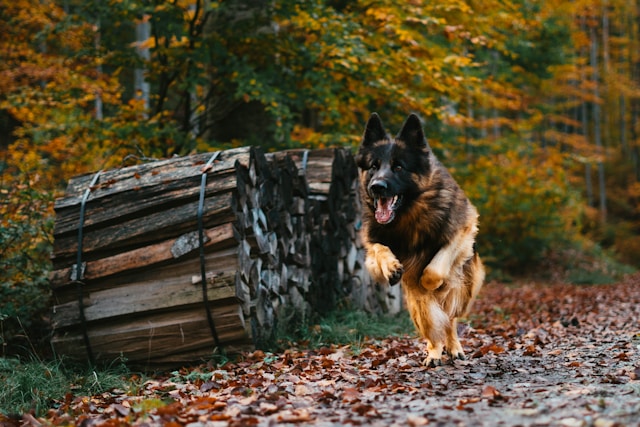
Fostering the German Shepherd: A Guide to Responsible Care and Training
Key Takeaways:
- Understanding German Shepherds’ inherent traits and requirements is essential for effective fostering.
- Systematic training is necessary for fostering these intelligent dogs.
- Regular socialization and exercise are crucial to maintaining the well-being of a German Shepherd.
- Awareness of health and diet specifics ensures the foster dog stays in peak condition.
- Preparing a foster German Shepherd for permanent adoption is crucial to the fostering journey.
- Fostering support networks offers valuable assistance for carers.
Master the care and training of German Shepherds with this comprehensive guide. Learn responsible practices for nurturing these intelligent and loyal companions, from providing proper nutrition and exercise to implementing effective training techniques. Discover invaluable insights to ensure a happy, healthy, well-behaved canine companion.
An Introduction to Fostering German Shepherds
Embarking on a journey to foster a German Shepherd is a path filled with rewards. These intelligent and devoted animals require a nurturing environment, which many prospective owners seek from show line German Shepherd breeders. Yet before they reach their final homes, German Shepherds benefit from the crucial care and socialization that a foster home provides. Within these temporary havens, they can flourish, gaining skills and behaviors to make them cherished pets. With a reliable structure and routine, foster carers are integral to the dogs’ future successes and well-being.
Understanding the German Shepherd Disposition
German Shepherds, a breed famed for their loyalty and intelligence, are also known for their energy and initiative. To foster a German Shepherd effectively, it is necessary to understand their complex psychological and physical needs. Regular mental stimulation and physical activity play a dominant role in their overall health. Their environment shapes the distinct temperament of the German Shepherd; hence, fostering provides an opportunity to mold these dogs into confident and friendly animals. Understanding the breed’s disposition can significantly boost the effectiveness of a fostering period, enabling caregivers to tailor their approach to meet the specialized needs of the breed.
Training: A Cornerstone for Fostering
Successful fostering of a German Shepherd must integrate systematic training to capitalize on the breed’s aptitude for learning. A well-structured training program lays the foundation for all future learning, helping them become adaptable and obedient pets. Basic commands and house manners should be established before moving on to more complex tasks. This guidance prepares them for a family environment and curbs problematic behaviors early on. Patience and consistency during training sessions are paramount for long-term success, setting the stage for these instruments of companionship to excel in any situation.
Promoting Social Skills and Physical Health
Socialization is as vital as physical health when fostering German Shepherds. Carers should allow their foster dogs to interact with different people and animals. This exposure helps diffuse any apprehensions and encourages a well-adjusted character. Additionally, German Shepherds have high energy levels that necessitate regular exercise to match their physical capabilities. An active lifestyle is not just a requirement; it enriches their fostering experience, addressing their social and physiological needs while mitigating stress or anxiety.
Proper Health Care and Nutrition for Fostered German Shepherds
While under a foster carer’s guardianship, a German Shepherd’s health and diet require close oversight. The breed’s predisposition to specific health issues demands proactive management and accommodations. A balanced nutritional intake that adheres to the recommended guidelines can forge a robust foundation for long-term health. Furthermore, recognition and early intervention in response to potential health concerns are pivotal to prevent escalation and ensure the foster pet’s vitality.
The Shift from Foster Care to a Permanent Residence
The ultimate goal of fostering is to ensure that a German Shepherd is primed for a life in their permanent home. This noble aim involves familiarizing the foster dog with various environments and training them to integrate into the household seamlessly they will eventually join. Carers help these canines develop a flexible temperament that can easily transition from the fostering context to a diverse range of family dynamics. This process requires dedication but is incredibly fulfilling as foster carers help shape the future of their charge, leading to meaningful, lasting relationships in their forever homes.
Resources and Support for Foster Carers
An extensive network of support exists for those involved in German Shepherd fostering. From specialized breed resources to general dog care forums, carers can find guidance on everything from behavioral training to health-related queries. Engaging in these communities alleviates the challenges of fostering and fosters camaraderie among those with a shared passion for canine welfare. These resources prove invaluable in steering foster carers through the intricate fostering journey, offering reassurance that they are part of a supportive and knowledgeable community.
For more comprehensive insights into fostering, resources like The Benefits and Challenges of Fostering a Dog provide meaningful perspectives on the intricacies of the fostering process. Additionally, understanding the criteria for becoming a capable foster carer, highlighted in articles like How to Get Approved to Foster a Dog, can be foundational in navigating the responsibilities that come with caring for a pet temporarily, making sure that every dog travels to a forever home with the love and attention they need.